ServicesDental Implants
Dental Implants in Trophy Club
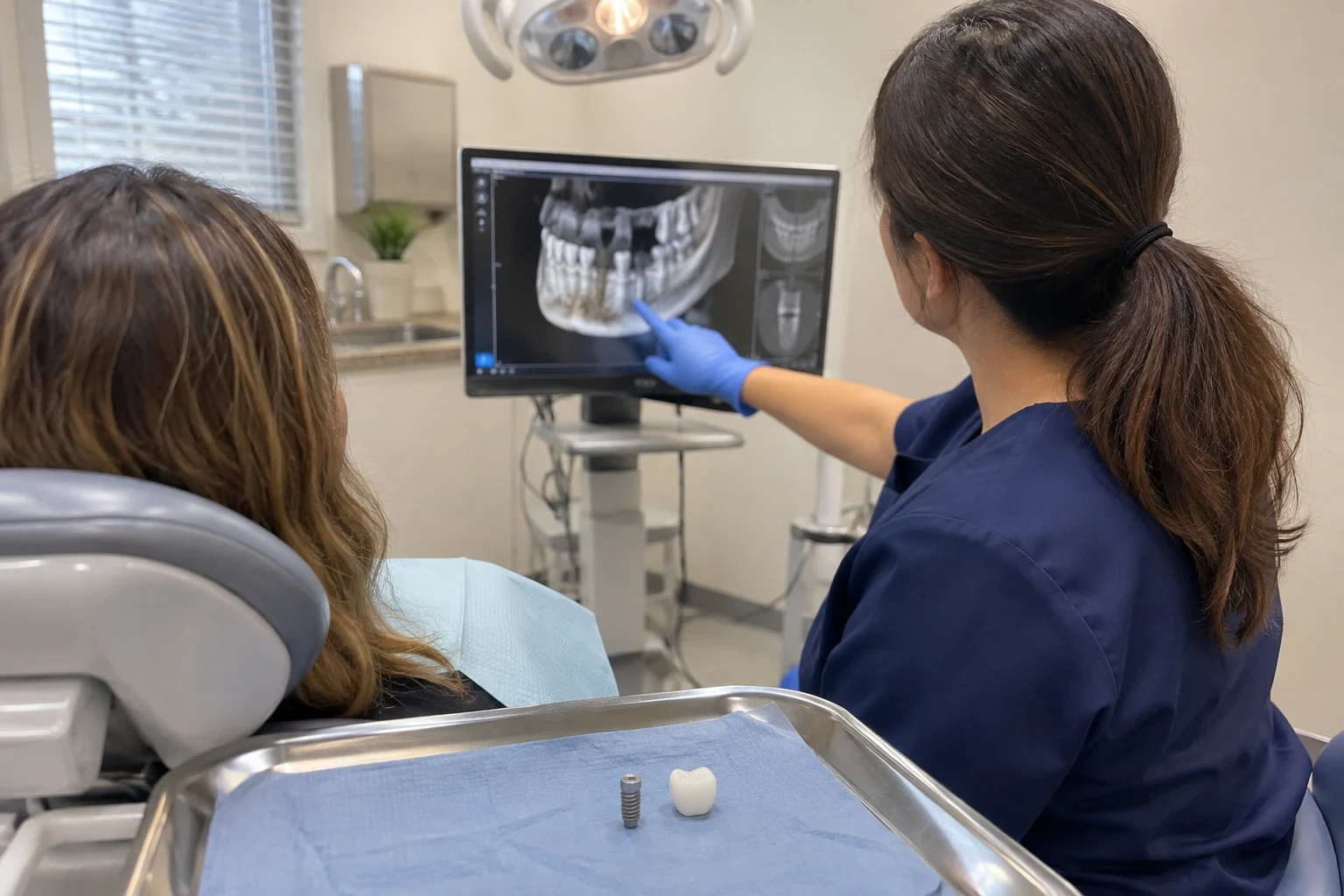
An implant rebuilds a missing tooth from the root up. Its titanium post carries bite pressure into the jaw much like a natural root, which helps slow bone loss. We map every implant from 3D imaging and walk you through each stage first, the same way we would for a neighbor.
How an Implant Works and Who It Suits
Every implant is built in three pieces. A titanium post sits in the jawbone in place of the old root. A connector called an abutment screws onto that post, and a custom crown fits on top. During the following months, bone grows tightly against the titanium in a process known as osseointegration, and that bond lets the implant take a full bite without shifting.
An implant is a good fit when a tooth is already gone, has fractured below the gums or is too far damaged for a root canal to rescue. It also helps people who would rather not have healthy teeth filed down to hold a bridge, or who are worn out by a partial that moves. With several teeth missing, implants can carry a bridge or anchor a denture.
A board-certified dentist places your implant. You receive a written treatment plan before any appointment is booked, laying out each stage, the expected timing and the share your insurance should pay.
What Your Implant Treatment Includes
- 3D CBCT imaging and digital X-rays
- The cone beam scan lets us measure the jaw from every angle, including how tall, wide and dense the bone is and where the nerve canal and sinus sit. From that we choose the post size and its exact angle before any surgery is booked.
- Removing a failing tooth
- When the damaged tooth is still present, we take it out carefully to preserve the bone around the socket. Sometimes the post can be placed in the same visit.
- Grafting where bone is thin
- The jaw begins to shrink not long after a tooth is lost. If the scan shows the ridge is too narrow or short, a graft builds it back so the post has firm support.
- Placing the post with local anesthetic
- We numb the area fully before setting the titanium post. Most patients notice pressure, not pain, and many are surprised how quickly the visit goes.
- Abutment and matched crown
- After the bone has fused around the post, we attach the abutment and seat a crown shaded to match your natural teeth. Then we check and adjust your bite so the crown takes its fair share of chewing force.
Signs an Implant May Be the Right Next Step
A gap you chew around
Favoring one side puts extra wear on the teeth you have left. Neighboring teeth can also tip into the space over time.
A tooth that cannot be saved
A crack that runs into the root or decay too deep for a crown usually means extraction. An implant replaces it without involving the teeth next to it.
Dentures that slip or rub
Loose dentures often mean the ridge of bone underneath has shrunk. Implants can lock a denture in place and slow that bone loss.
A bridge that keeps failing
Decay under a bridge's support teeth is common. Replacing it with implants takes the load off those teeth.
Your face looks sunken near a gap
Without a root to stimulate it, the jawbone resorbs. That can change the shape of your cheeks and lips.
How the Implant Process Works
- 1
Exam and 3D imaging
We look closely at your teeth and gums, take digital X-rays, add a CBCT scan when the case needs one, and ask what you want from treatment. By the end of the visit you know if an implant suits you and how the plan would unfold.
- 2
Getting the site ready
Extractions, grafts or gum care come first. An implant lasts longest in healthy bone and gum tissue.
- 3
Setting the post
After numbing, we place the post in the bone. You leave with aftercare instructions and a temporary tooth for the space if it is visible when you smile.
- 4
Letting the bone bond
Osseointegration generally takes a few months. Follow-up visits confirm the bone is fusing before the implant carries any bite.
- 5
Seating the crown
We connect the abutment, place your crown and refine the bite. Daily brushing, flossing and routine cleanings keep it healthy from there.
What Moves the Price of an Implant
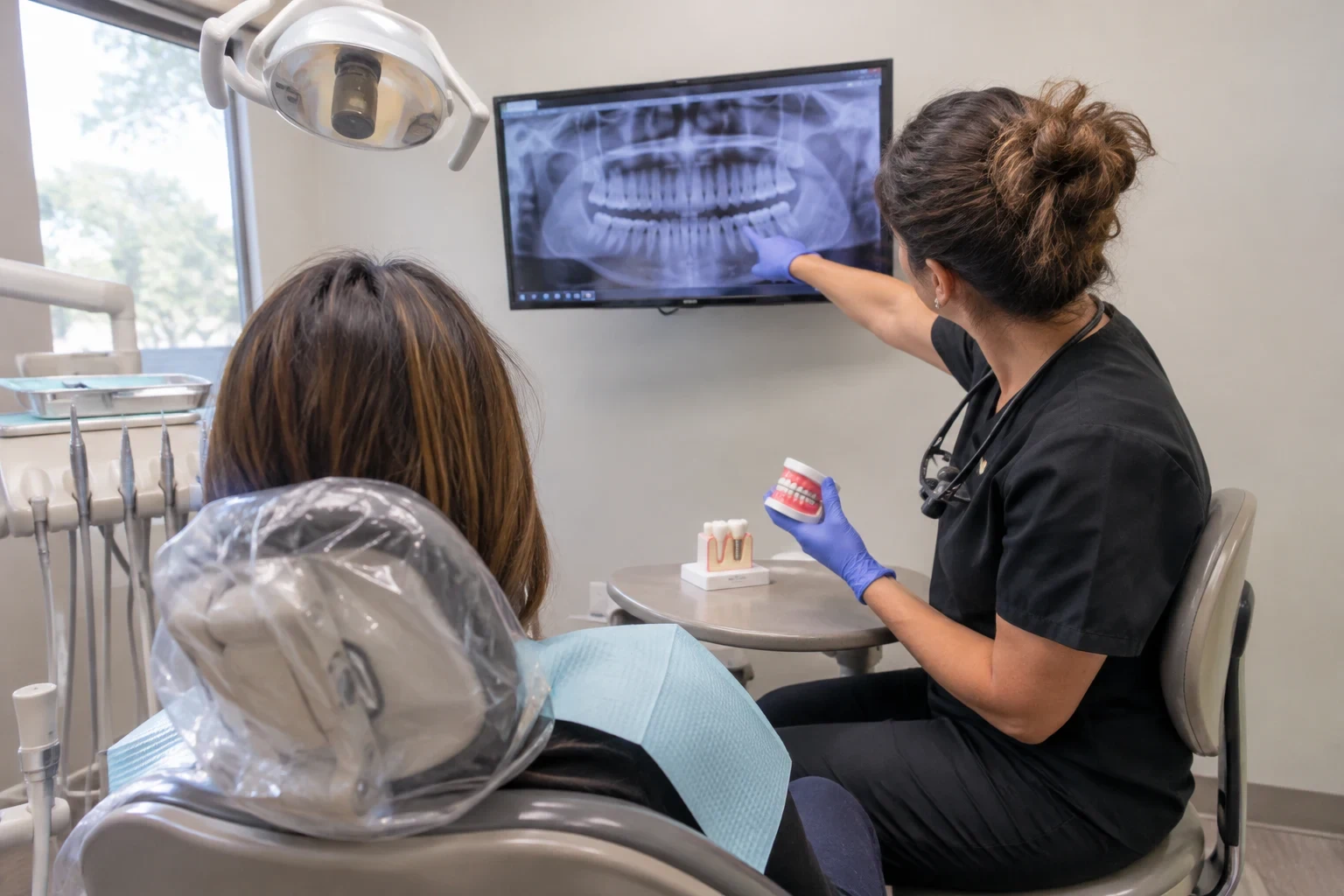
Implant fees differ from one patient to the next because the scan decides how much work the site needs. We break your written treatment plan into separate stages, so each charge is tied to a specific step and a point on the timeline. We are in-network with 15+ major PPO dental insurance plans. We also offer financing at 0% interest for as long as 24 months, and checking for preapproval leaves your credit score untouched.
- How many teeth you are replacing
- A single post with one crown is a smaller case than several posts carrying a bridge or holding a denture in place.
- Grafting to rebuild bone
- When the jaw has thinned since the tooth came out, a graft adds a procedure and extra healing before the post goes in.
- Removing the old tooth
- If a failing tooth is still in the socket, taking it out becomes the first stage of the plan.
- Crown material and position
- Front teeth call for more careful shade and shape matching, and the restoration material you choose changes the total.
- What your plan covers
- PPO benefits for implants vary widely by stage. We check your coverage and write down the expected amount before treatment begins. Patients without dental insurance can look at our In-house Membership Plan, which we set up for uninsured patients.
Dental Implant Questions
Something not covered here? (817) 687-2329
Does getting an implant hurt?
The post is placed with local anesthetic, so you feel pressure, not sharp pain. Most patients are sore for a few days afterward and manage it with over-the-counter pain relievers. Swelling usually peaks around day two and then settles.
How long does the whole process take?
From placement to final crown is often several months, mostly waiting for the bone to fuse to the post. Adding a graft or an extraction lengthens the timeline. Your treatment plan gives you dates for each stage.
Am I too old, or do I have too little bone?
Age by itself rarely rules anyone out; overall health and bone matter more. The CBCT scan shows how much bone you have, and grafting can often rebuild a thin site. Smoking and uncontrolled diabetes slow healing, so we will talk about those openly.
How long does an implant last?
The titanium post can last for decades once fused to healthy bone. The crown takes daily wear and may need replacing someday. Brushing, flossing around the implant and regular cleanings protect the gum and bone that hold it.
Is an implant better than a bridge or a denture?
An implant does not rely on neighboring teeth and helps preserve the bone where the tooth was. A bridge or denture can still be the right answer depending on your health, budget and number of missing teeth. We lay out each option at your evaluation, including our Dentures page options, so you can choose.
See If an Implant Fits Your Case
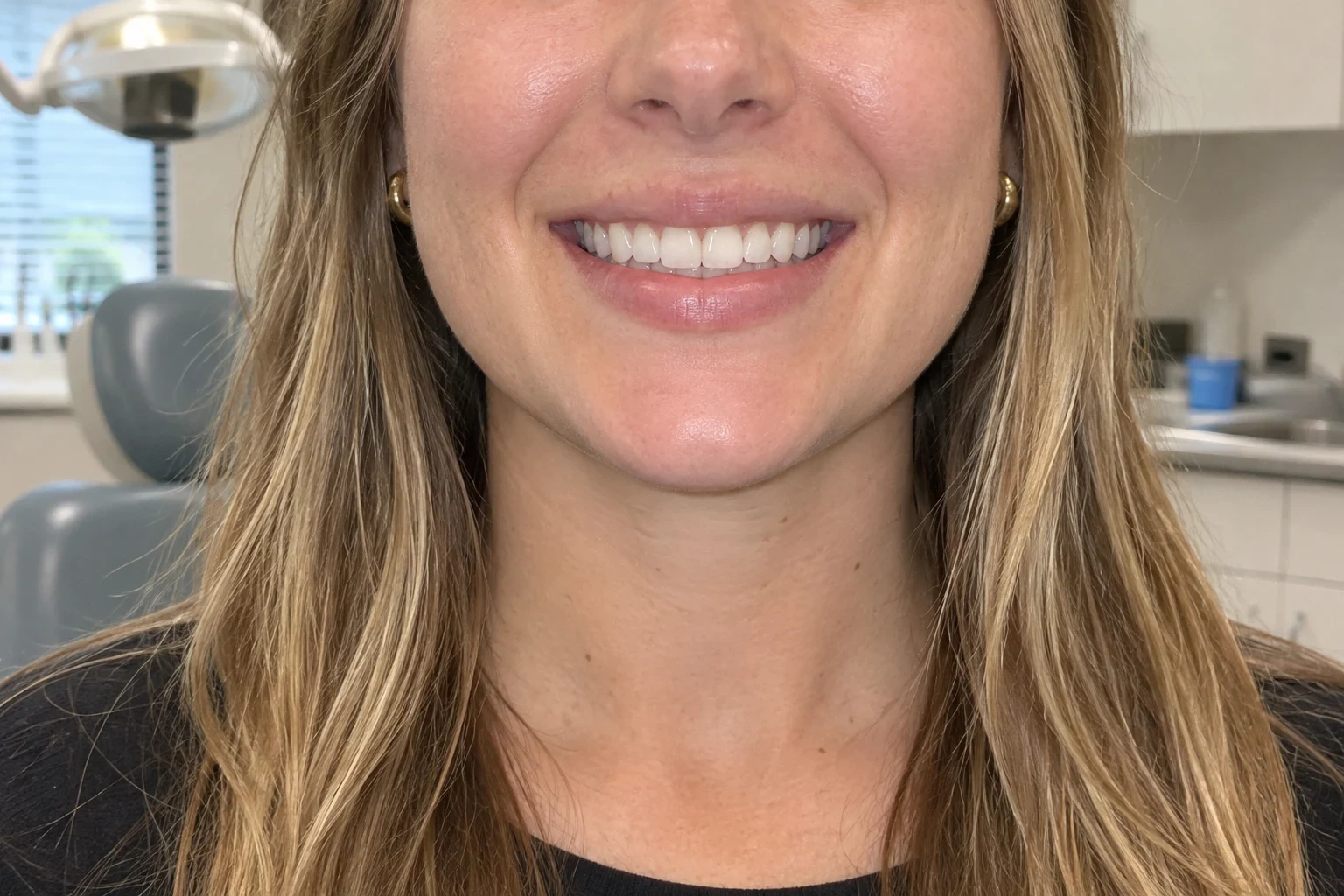
Our $25 focused evaluation starts with a comprehensive exam and digital X-rays, adds 3D CBCT imaging if your jaw needs a closer look, and ends with treatment planning and a consultation about your choices. Patients from Roanoke, Southlake and the rest of the area are welcome.